Loading...
We evaluate the geometry, volume, and material specifications of each component to select the most efficient casting method.
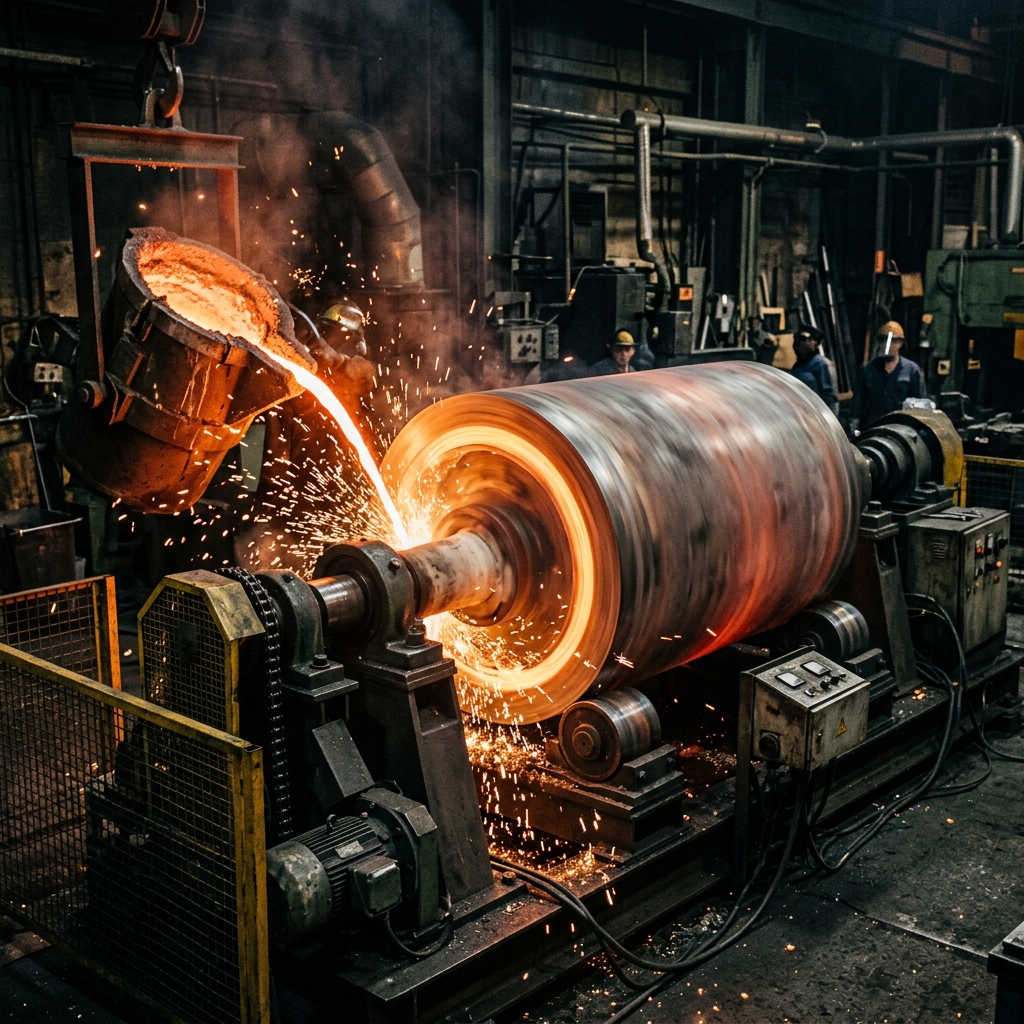
Molten metal is poured into a high-speed spinning cylindrical steel mold. The resulting G-forces push the heavy liquid metal outward against the mold walls, ensuring a dense, uniform grain structure.
Gas and Porosity-Free: Lighter elements like gas bubbles and slag are forced inward toward the hollow center. This interior cüruf layer is machined away, leaving a 100% dense metal body.
High Wear Resistance: Rapid freezing on the chilled steel mold surface results in a refined grain pattern, maximizing hardness and component lifespan.
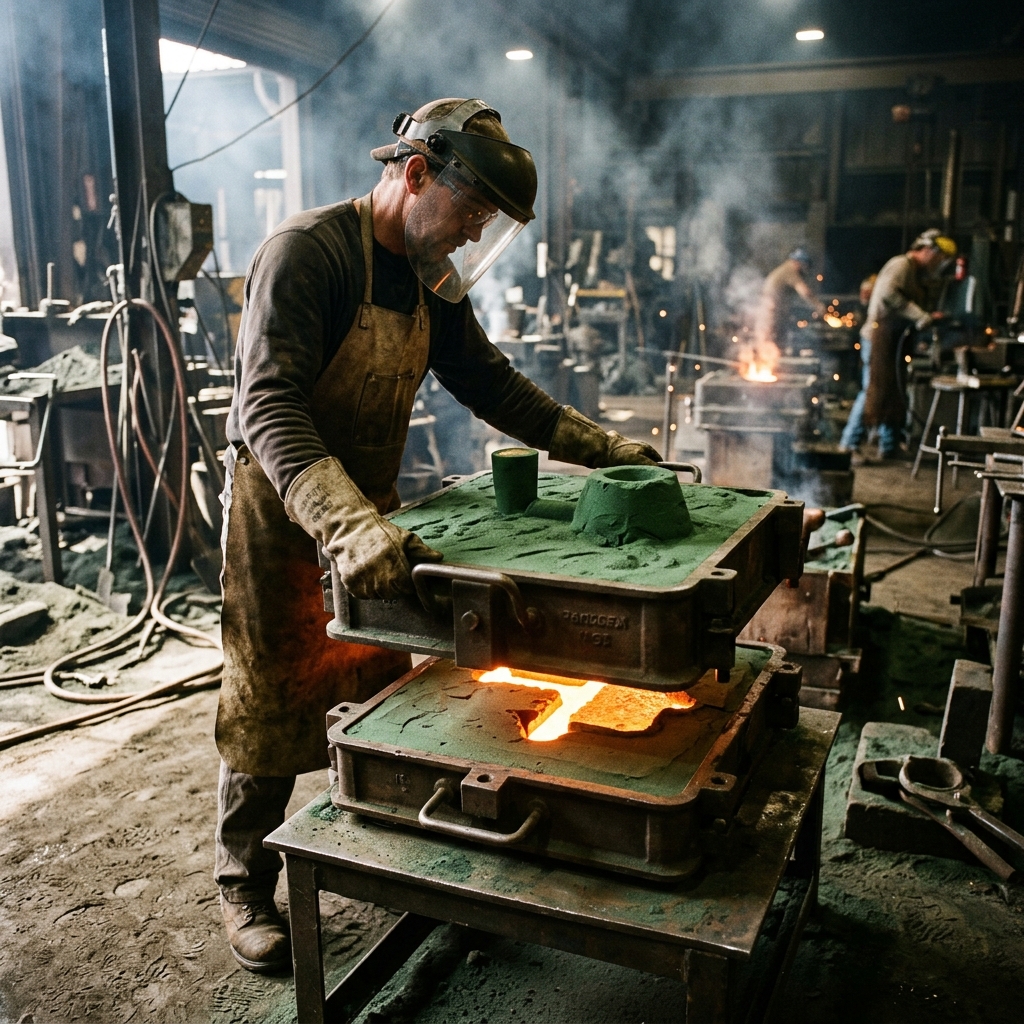
A refractory silica sand mixture combined with clay binders is packed around a physical pattern. Ergitme metal is then poured into the resulting cavity under gravity forces.
Unlimited Design Scale: Sand casting accommodates massive structural parts, engine blocks, and complex hollow components utilizing sand cores.
Low Initial Tooling Cost: Because expensive steel dies are not required, sand molding remains the most economical path for prototypes and short custom runs.
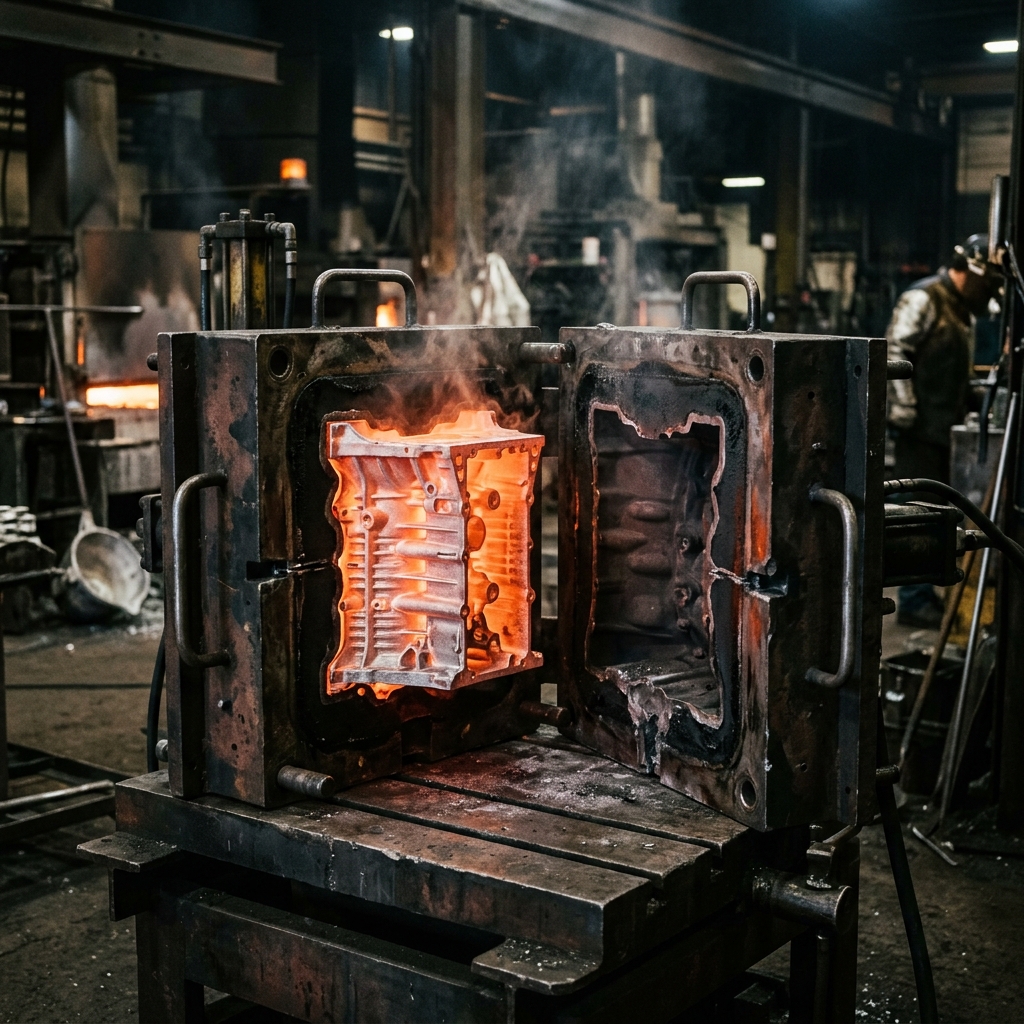
Liquid metal is poured under gravity pressure into permanent steel or cast iron molds. The high thermal conductivity of the tool cools the metal rapidly, refining crystallization.
Smooth Surface Quality: Castings take the precise finish of the steel cavity, lowering surface roughness and minimising CNC machining overhead.
Production Consistency: The same reusable steel tool ensures that thousands of sequential parts match dimensions precisely.